The most
important things in life
cannot be strategized.
They have to be lived.
ME
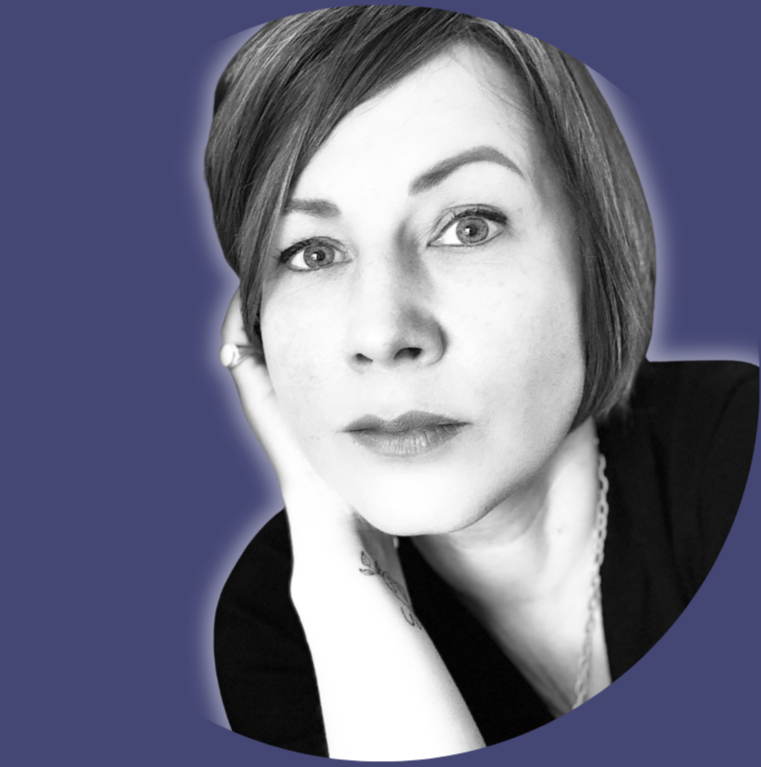
I grew up watching a country collapse in real time. It made me curious about what it takes for a nation to change direction.
I've followed that question ever since. It taught me to pay attention. To what changes and what doesn't. And most of all, to what people hold onto even though transformation is inevitable.
During my corporate career, I was a social worker, a lobbyist, and a CEO. I later became a serial entrepreneur. As an advisor, I have sat in boardrooms with investors and governments. And as economy developer, I co-created with communities across continents.
Different places, same question: how can we collectively create change?
There comes a moment when what has always worked quietly stops working. That's where we meet.
Founders, leaders, investors, municipalities, or restless changemakers. Different responsibilities and different realities. But they all feel the same urgency for change. Our work might take the form of a long-term advisory relationship, a strategic engagement, a conversation over tea, or a keynote that changes the perspective in the room. The format depends on your situation and the work we can do together.
Offer
-
Strategic and project-based advisory for organizations, governments, investors, and municipalities navigating complexity, transition, and long-term change.
-

Private or shared conversations about the future economy we are building. Exploring the regenerative economy in practice, Community Economy, leadership, transformation, and the realities of fieldwork.
-
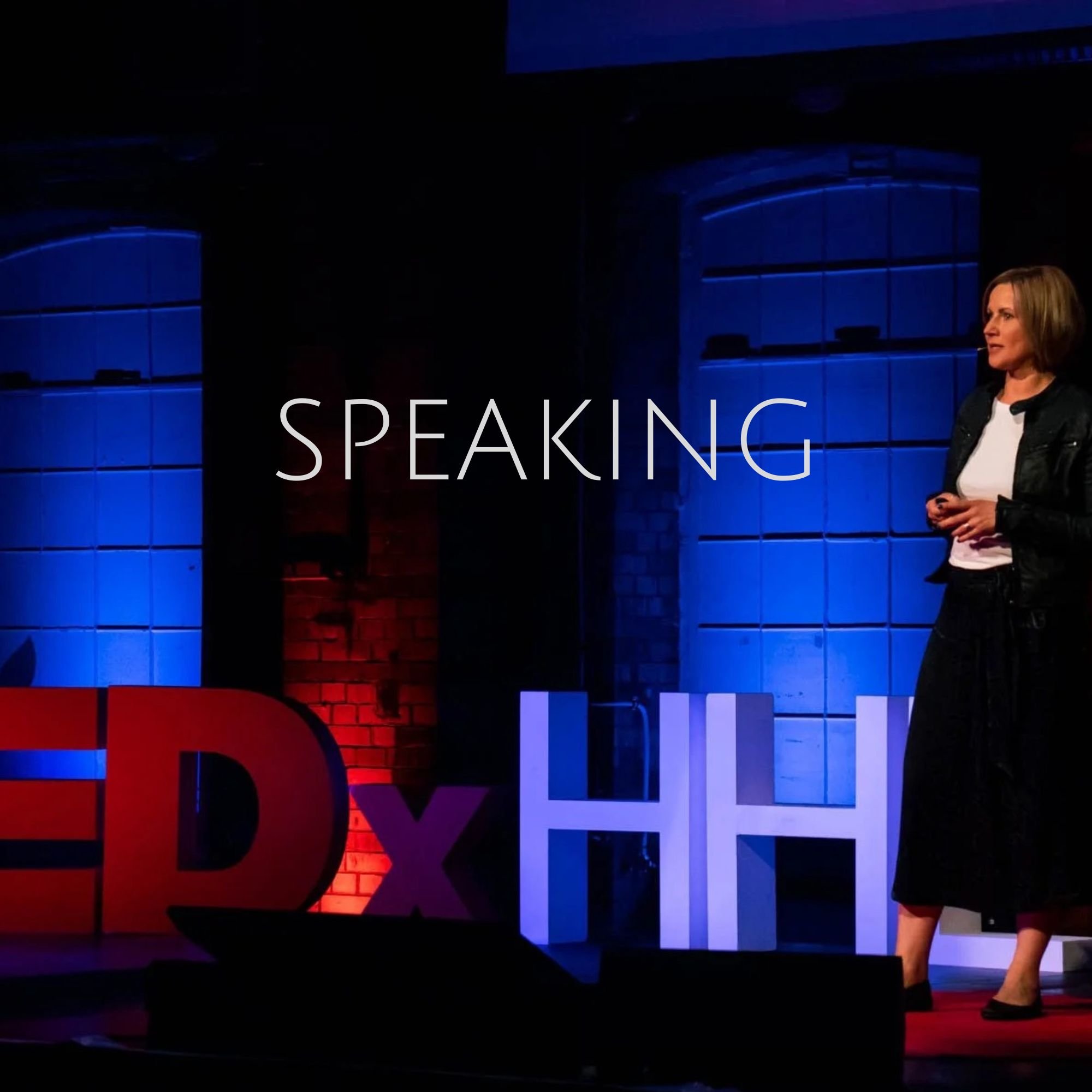
Speaking on my favorites: humanity in the economy, community economy development, community capital, economies in transition, the forces that shape them, and what leadership looks like when the ground is shifting.
I have seen enough of this world to know where I want to dedicate my life. Building local economies that serve people.
The economy is not broken. It is working exactly as designed. That is precisely why I don't spend my time trying to fix the current economy. I work where economies begin: with people, in communities.
My work lives in two places.
CO-LAB for Future Economics is the research and institutional backbone. It develops economic thinking from practice and returns it to practice.
What Matters is where that thinking is tested. Together with communities, we build local economies in South Africa and East Africa (in preparation).
Our network spans globally with strong connections to Austria, Germany, the United States, Costa Rica, Kenya, and India.
HOME

REFLECTIONS
CONNECT